
If you’ve never visited the Fens, you may not know about their unique and enigmatic atmosphere, which has inspired novelists and writers through the ages. Under the wide Cambridgeshire skies, the waterways weave through a landscape shaped by centuries of history, engineering and hard-won fenland living. When the autumn mist rolls across the water and settles in the reeds, it is the perfect time to set off on a self-guided history adventure.
As the nights draw in, it feels like the right moment to share a heritage route you can follow from the comfort of a cosy Fox narrowboat when holidays restart in April 2027.
Starting from our home base at Fox Boats Marina in March, this return itinerary takes you east along the Middle Level Navigations, through the tidal crossing at Salter’s Lode, and down the historic waters of the River Great Ouse and River Cam. Along the way, you will moor up near a Lord Protector’s home, a pub where scientific history was made, and medieval streets that have seen saints, rioters and reformers.
So grab a windlass, pack a torch, and prepare for a spectacular week of history on the water.
March to Outwell – Villages of the Well Stream
Leaving March behind, you will enjoy a peaceful three-and-a-half-hour cruise along the Old River Nene. This stretch of the Middle Level is particularly quiet, carving through rural farmland until you reach the historic twin villages of Outwell and Upwell.
As evening approaches, moor at the visitor moorings near Outwell church basin (one of our six stunning moorings on the Middle Level) and take a walk down to Upwell St Peter’s Church. These villages have deep roots. Together they were once known simply as Welle, after the ancient Well Stream, and the Romans ran part of their Fen Causeway through Upwell on its way from Peterborough to Denver. Well Creek has followed its present course since around the 12th century, and barges carried coal and sugar beet along it until the 1950s. When it was threatened with closure in the late 1960s, local protesters fought to save it, and the Well Creek Trust was formed in 1970 to look after it for good.

Outwell Basin 1970’s
This is also Fen Tiger country. The “Fen Tigers” were the fiercely independent marsh dwellers who resisted the 17th-century drainage of the Fens, determined to protect the fishing, fowling and common grazing that fed their families.
It is ten years now since Peter Carter, the last eel catcher and willow fisherman, was forced to close his shop in Outwell. Peter’s ancestors had earned their living as eel catchers for 500 years, part of a 3,000-year tradition of fishing and fowling. As you walk back to the boat in the dark, it isn’t hard to imagine generations of Fen folk still working these waters.
Outwell to Ely – The Lord Protector’s Home
This section brings a change of pace. You will cruise from Outwell to Salter’s Lode Lock, where your narrowboat will make its exciting transition onto the River Great Ouse. Because this lock is tidal, you will need to time your crossing carefully with the lock keeper. Once safely through, head south upriver through the sweeping fenland landscape to Ely.
The Ely Waterfront offers premium moorings right on the riverbank. From here, it is a short walk up the hill into the imposing shadow of Ely Cathedral. Your destination is Oliver Cromwell’s House, a 13th-century building where the future Lord Protector lived with his family from 1636 to 1647. Cromwell moved to Ely when he inherited the job of collecting the cathedral tithes from his uncle, Sir Thomas Steward, and you can still see the tithe office where local people brought in their produce to pay. A Royalist newspaper later nicknamed him the “Lord of the Fens”, and he went on to become MP for Cambridge, military governor of the Isle of Ely and, in 1653, Lord Protector. After the Cromwells left, the house served as the vicarage of St Mary’s Church until 1986.
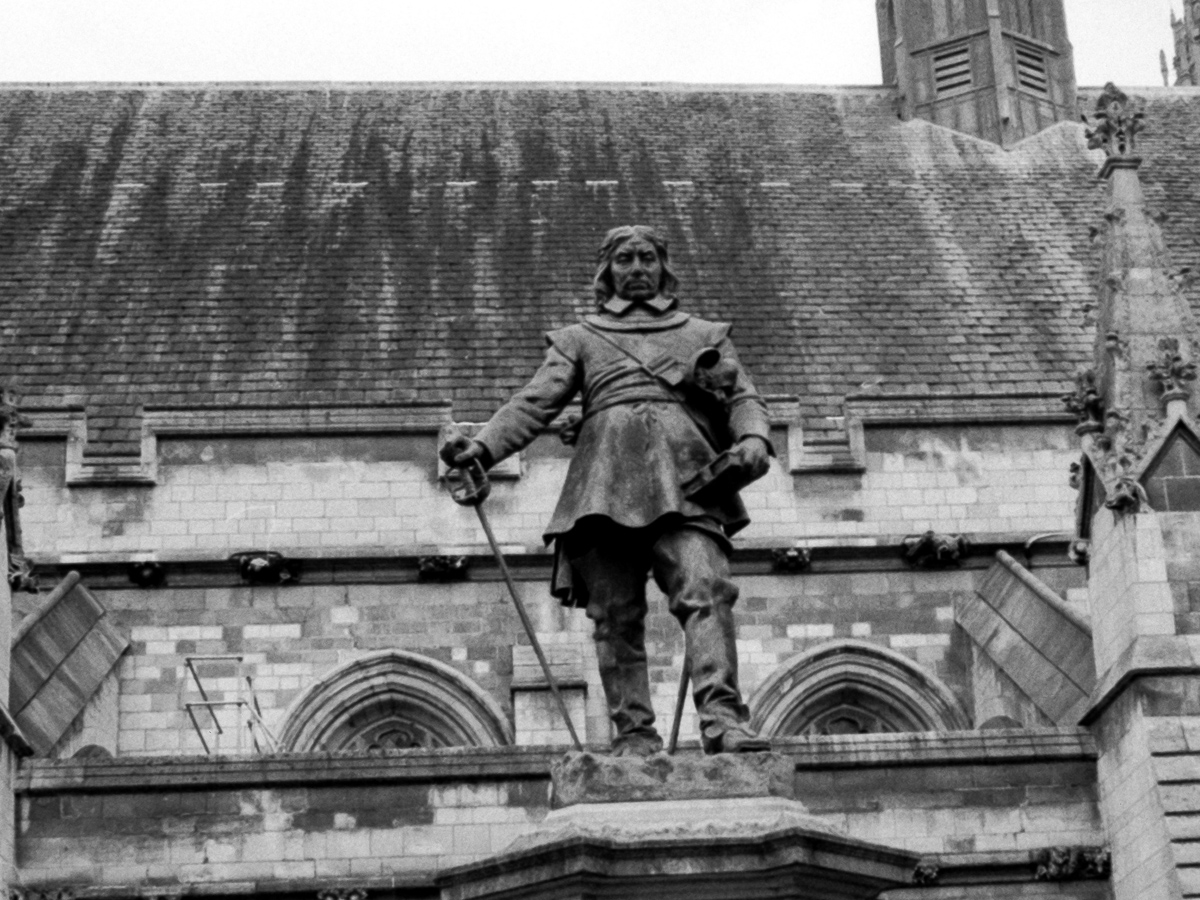
oliver cromwell statue (not on this itinerary)
Afterwards, relax with a late pint at The Cutter Inn on the waterfront, a pub standing on ground with centuries of river history. Records show a maltster living on this spot as early as 1416, and by 1679 the lane beside it was known as Beer Lane. The inn once had a skittle alley popular with the bargemen who worked the Ouse, and until the First World War the Ely wharf handled coal for the fenland pumps, along with sand, gravel and local produce.
Ely to Wicken Fen – The Last of the Wild Fen
Leaving Ely, continue south along the Great Ouse before turning onto the River Cam at Pope’s Corner. From here, take a short, winding detour up Reach Lode to visit Wicken Fen, the National Trust’s oldest nature reserve.
Moor at the visitor moorings and explore the reserve’s famous wooden boardwalks as the light fades. Wicken Fen is the last remaining fragment of the wild, undrained Fens, and it has a fascinating story. In 1899 the National Trust bought two acres here for just £10, creating its very first nature reserve. Long before that, local families made their living from the fen: sedge has been cut here for thatching since at least 1419, and it is still harvested today. Look out for the wooden windpump, the last surviving example in the Fens, which the Trust moved and restored in 1956, and Fen Cottage, built in the late 18th century from local peat, sedge, reed and clay. You can read more on the National Trust’s history of Wicken Fen.
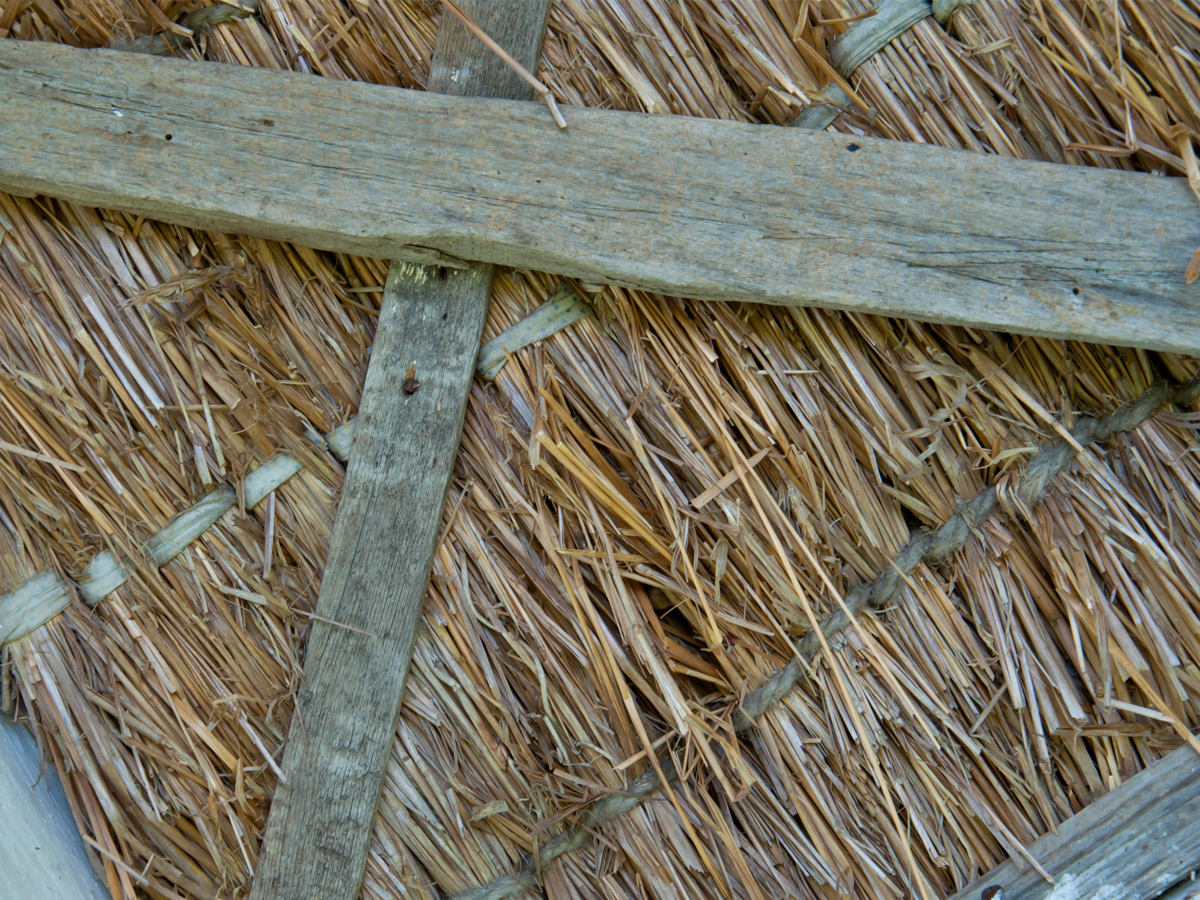
thatched roof fens
Victorian naturalists loved Wicken, and even a young Charles Darwin, then a Cambridge student, was a keen beetle collector in the fens in the 1820s. If you would like to follow in their footsteps, here are three ways to see more Fenland wildlife.
Wicken Fen to Central Cambridge – Science, Airmen and Scholars
Return to the River Cam. As you approach the city, you will trade rural reeds for bustling commons and historic rowing clubs, visit Jesus Green and Midsummer Common in central Cambridge.
Immerse yourself in the history of this university city. Walk to The Eagle on Bene’t Street, which opened as a coaching inn in 1667. At lunchtime on 28 February 1953, Francis Crick walked in and told the regulars that he and James Watson had worked out the double-helix structure of DNA, building on the work of Rosalind Franklin and Maurice Wilkins. A plaque outside marks the moment. Then head to the back room, known as the RAF Bar, where British and American airmen burned their names and squadron numbers into the ceiling with candles and lighters during the Second World War.
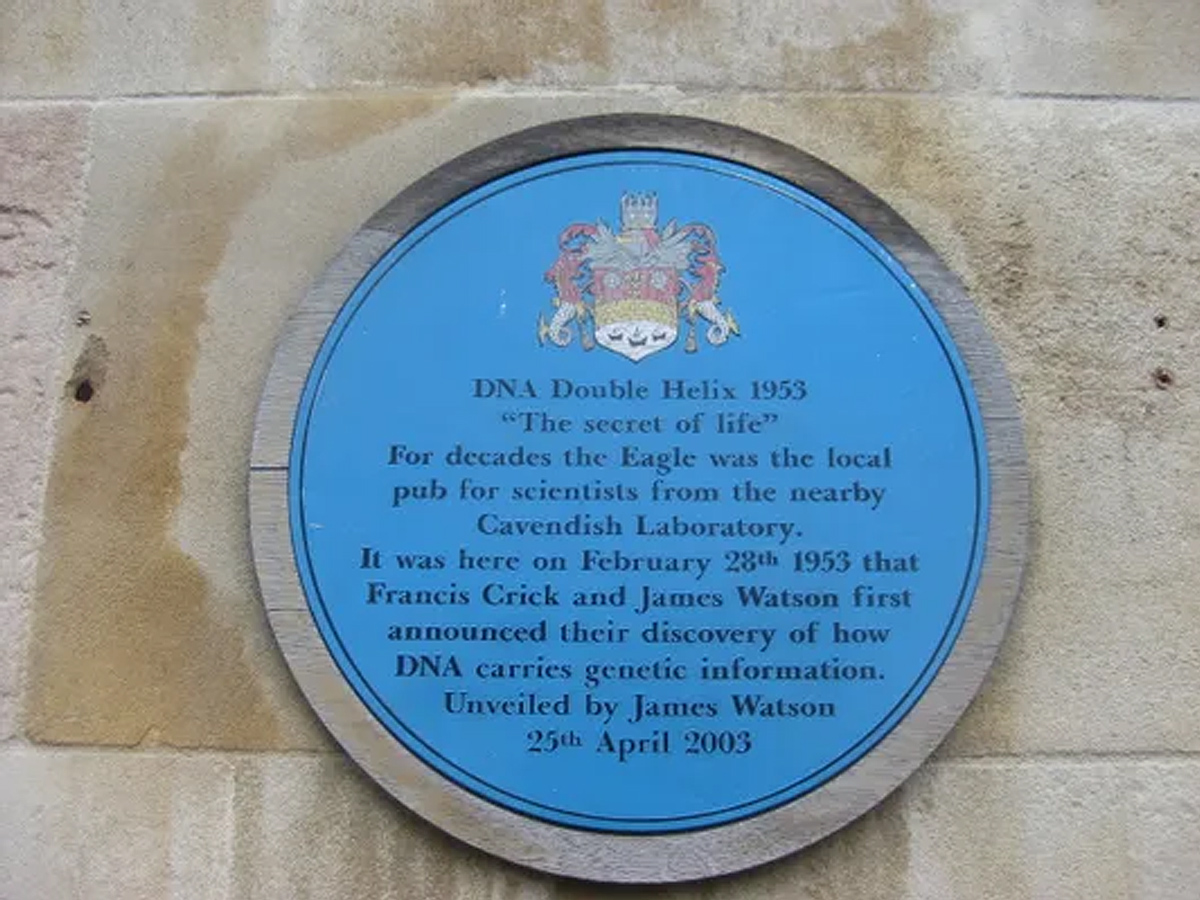
DNA plaque double helix 1953
Across the road stands Corpus Christi College, which owns The Eagle’s site. It was founded in 1352 by two town guilds after the Black Death, making it the only Cambridge college founded by the townspeople themselves. Its Old Court is the oldest surviving court in Cambridge, and the playwright Christopher Marlowe studied here. Round the corner on King’s Parade, look out for the college’s extraordinary Corpus Clock, with its gold “time-eater” perched on top.
Cambridge and Ely are both crowded with history, and guided walking tours run in both cities, a great way to discover the stories behind the colleges, churches and courtyards. If you have time, hop on a punt for a gentle trip along the Backs, gliding beneath college bridges that have watched students drift by for centuries.
Cambridge to Ely – The Ship of the Fens
Enjoy a relaxing four-and-a-half-hour cruise back to the familiar, welcoming banks of the Ely Waterfront.
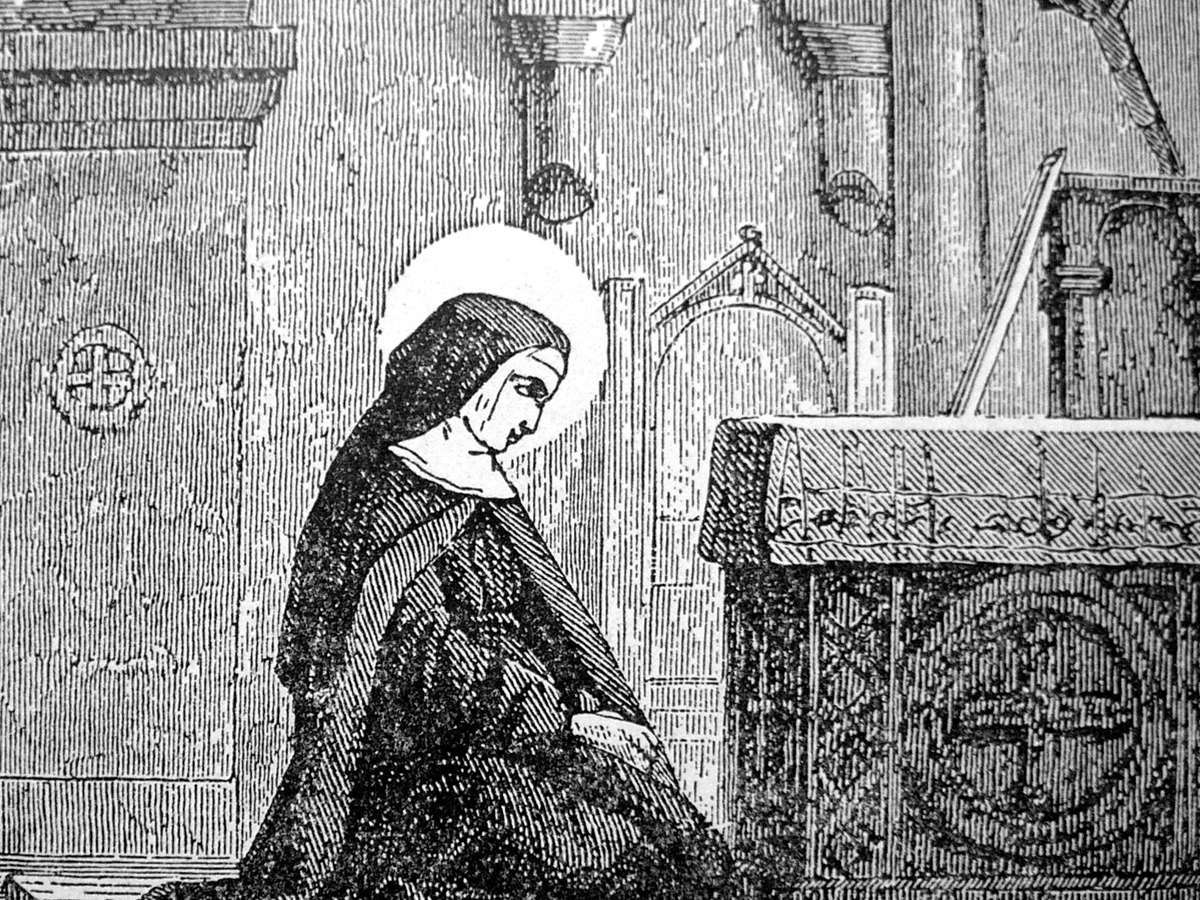
Saint Etheldreda public domain
Since you spent your first night in Ely exploring Cromwell’s House, use this evening to wander the cathedral grounds (our guide on how to visit a cathedral on your narrowboat holiday has some handy tips). Before the Fens were drained, Ely was a true island, and the cathedral rising above the flat landscape earned it the nickname the “Ship of the Fens”. Saint Etheldreda founded a monastery here in 673, and the church became a cathedral in 1109. On the night of 12 February 1322, the great Norman central tower collapsed, possibly weakened by digging for the new Lady Chapel. In its place, the sacrist Alan of Walsingham created the famous Octagon, an eight-sided lantern like nothing else in Gothic architecture.
Look out towards the south cloister, where Benedictine monks once walked. Henry VIII dissolved the monastery in 1539, Etheldreda’s shrine was destroyed and the Lady Chapel’s statues were defaced, but the cathedral was refounded in 1541. Many of the monks’ houses around the cloister have vanished, yet the 12th-century Prior’s House and parts of the infirmary still stand, giving you a real glimpse of monastic Ely.
Ely to Denver Sluice – Riots and Rivers
Set off from Ely and head north towards Denver. This three-and-a-half-hour cruise positions you perfectly to cross back through the tidal stretch to Salter’s Lode the following morning. Keep a lookout as you pass Littleport, which lies on a fenland isle and has its own dramatic history. In May 1816, farm labourers hit by unemployment and soaring bread prices met at The Globe Inn and began a riot that spread to Ely. The Royal Dragoons were called in, 82 people were arrested, and five men were hanged in Ely that June. A memorial plaque to them can still be seen on St Mary’s Church in Ely.
Learn more: https://www.littleportsociety.org.uk/local-history/the-littleport-riots/
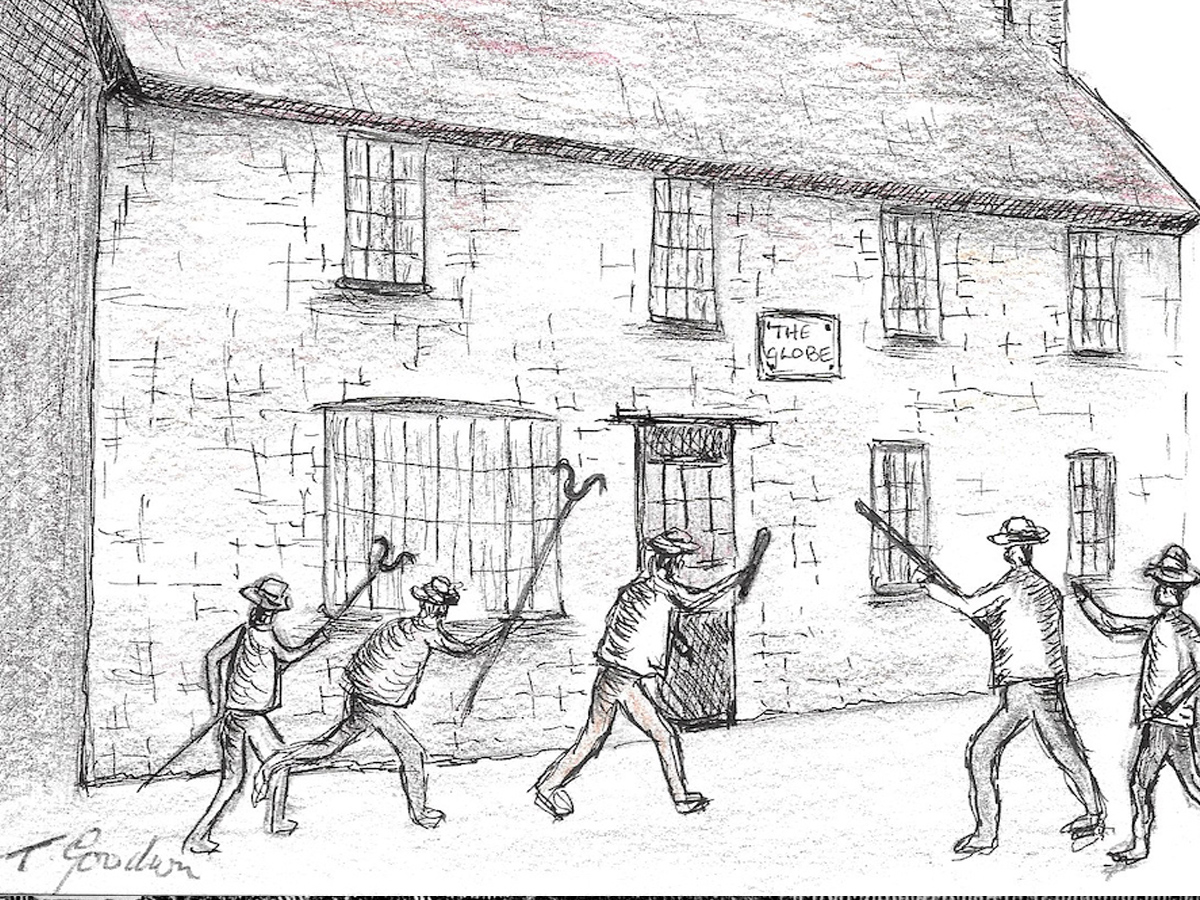
local history the littleport riots
Secure your boat at the moorings and enjoy dinner at the Jenyns Arms, right beside the sluice. The engineering works at Denver Sluice represent centuries of human struggle against the water. The Dutch engineer Cornelius Vermuyden built the first sluice here in 1651, at the end of his New Bedford River, which runs almost 21 miles from Earith. Violent tides burst it in 1713; Charles Labelye, also the architect of Westminster Bridge, rebuilt it in the 1740s, and the structure you see today was built by Sir John Rennie in 1834. Standing where five watercourses meet, it still protects the Fens from flooding. Even the village name tells a story: Denver comes from the Old English for “the passage of the Danes”.
Denver to March – Heading Home
Cross back through Salter’s Lode Lock onto the calm, familiar waters of the Middle Level Navigations. Take a deep breath and enjoy the relaxing five-and-a-half-hour cruise back to Fox Boats Marina. You will return your boat full of happy memories, and perhaps with a newfound respect for the people who shaped the Fens!
Essential Tips for Your Heritage Cruise
Book your tidal crossing in advance: this itinerary relies on crossing the tidal stretch between Denver Sluice and Salter’s Lode. Contact the lock keepers ahead of time to book your slots based on that week’s tide times. The Inland Waterways Association’s guide to the Denver–Salter’s Lode crossing is well worth reading before you go.
Watch your head: the Middle Level has several notoriously low bridges, particularly around Upwell. Make sure your chimney, centre lines and roof boxes are down before passing under. New to these waters? Read the seven surprising differences we discovered cruising the Middle Levels.
Ready to captain your own voyage through history? Check availability for next year and start planning your Fenland escape today!
Don’t miss more articles about what to see and do when narrowboating in the Fens: sign up to follow this blog in the sidebar.
Thank you for reading, and happy cruising. Peggy Melmoth shares memoir and poetry at Life, Locks and Literature.
We wish to thank Peggy for 12 years of writing narrowboat blogs for us. It’s added so much depth to local history and events as well as narrowboating.
Photo credits: DNA Plaque – Rainer Stropek/CC BY 2.0, Outwell riverbank Richard Humphrey CC 2.0, Thatched roof licenced deposit, Oliver Cromwell licenced deposit, Saint Etheldreda public domain


